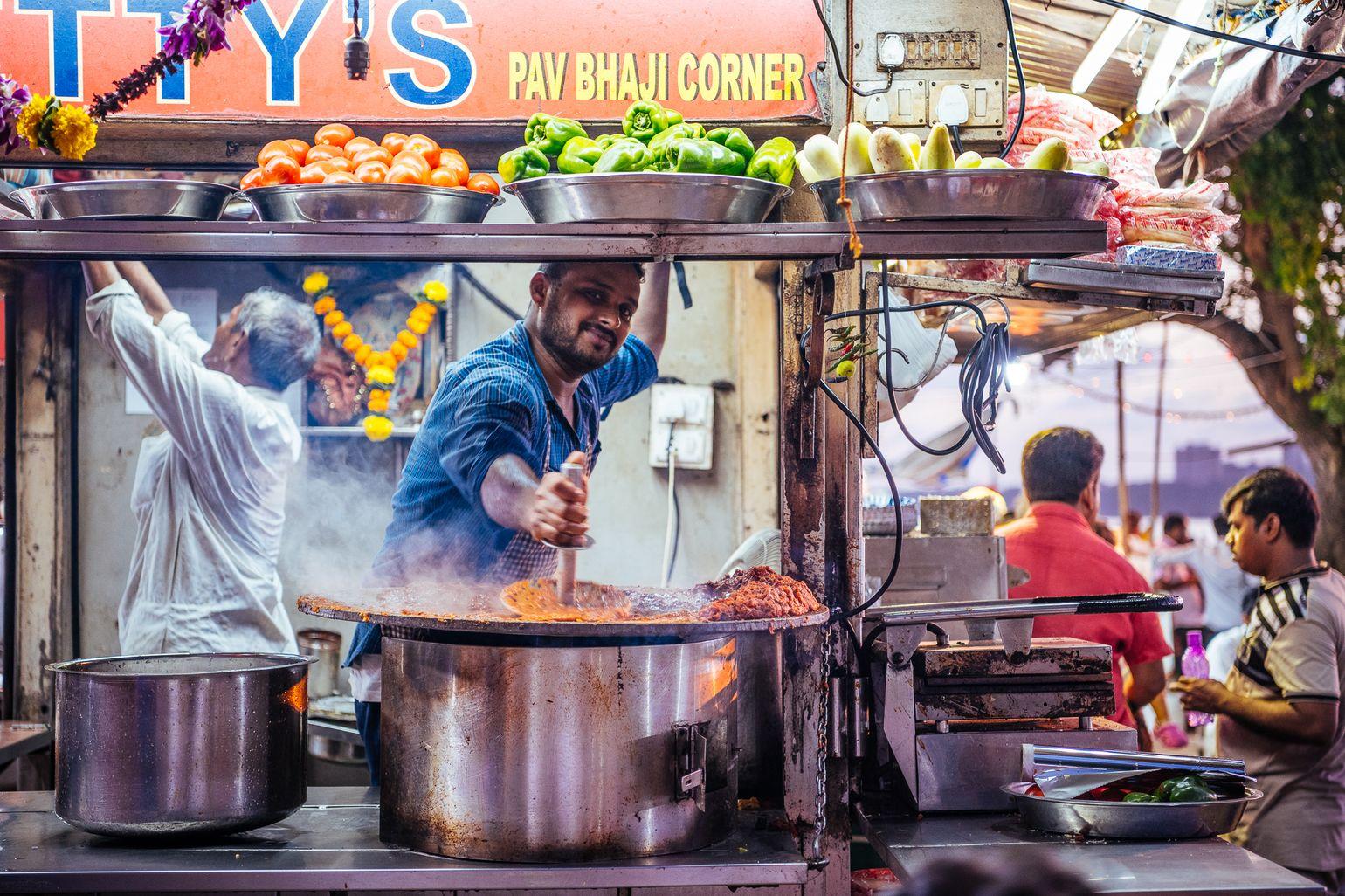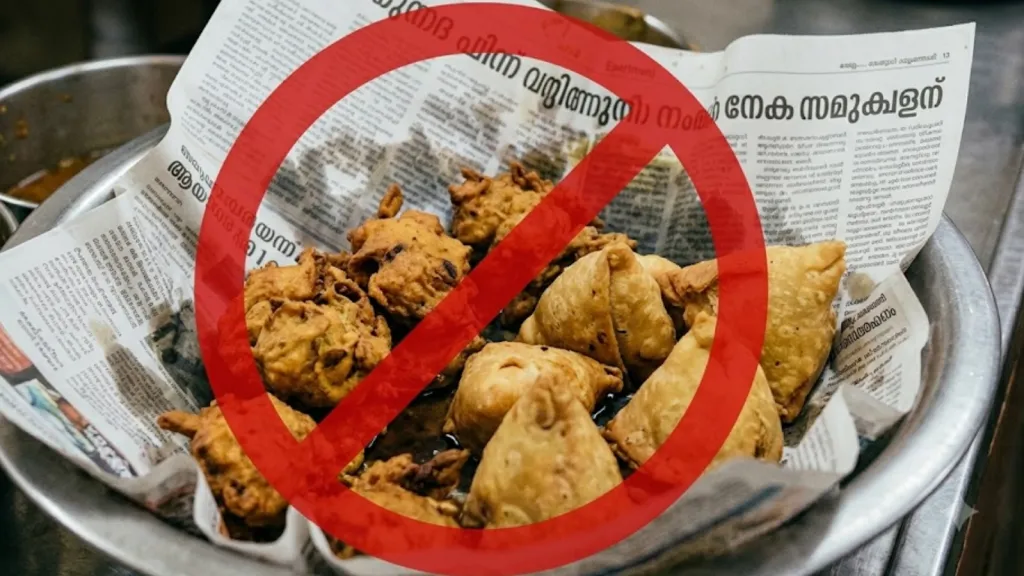
Do you love hot, crispy samosas from your favourite street food stall? Before taking your next bite, check what they are served on.
In India, many street food vendors have traditionally used old newspapers to wrap hot samosas, pakoras and other fried snacks or to absorb excess oil. Although this practice may seem convenient, newspapers are not designed for direct contact with food and should not be used to serve, wrap or store it.
The Food Safety and Standards Authority of India (FSSAI) has advised consumers and food businesses against using newspapers for food packaging and handling. Printing inks, other paper constituents and unhygienic handling may introduce unwanted contaminants into hot food.
Why Is Newspaper Unsafe for Serving Samosas?
Newspapers are printed products, not food packaging. Their inks and other printing materials are not necessarily suitable for direct food contact.
There are two main concerns:
- Chemical contamination: Certain substances in printing inks and paper may migrate into hot food under particular conditions.
- Poor hygiene: Newspapers may collect dust, dirt and microorganisms during printing, distribution, storage and handling.
Hot, oily snacks such as samosas should therefore be served using materials intended and suitable for food contact.
When choosing packaged snacks, it is also useful to understand the information provided on food labels. Read our guide on how to read labels on food packages to learn more about making informed food choices.
Can Newspaper Ink Transfer to Hot, Oily Samosas?
Yes, certain substances from printed paper may transfer to food. This process is known as migration, and the extent of transfer depends on several factors, including:
- The composition of the printing ink and paper.
- The temperature of the food.
- The duration of contact between the food and paper.
- The amount of oil or moisture present.
Hot samosas are usually served shortly after frying, when their outer crust is hot and oily. Direct contact between hot samosas and printed paper creates an avoidable food safety concern.
However, the presence of printing ink does not automatically mean that a harmful amount of contaminants has transferred to every samosa. The actual risk depends on the materials involved and the conditions of contact.
The practical advice remains the same: do not use newspapers as food wrappers, serving trays or absorbent paper for hot, fried snacks.
Does Oil Make Newspaper-Wrapped Samosas More Risky?
Oil is another important consideration when assessing the suitability of food packaging.
Some substances present in printing inks may migrate more readily into fatty foods, depending on their chemical properties and the conditions of contact. Since hot samosas have an oily outer layer, using unsuitable printed paper can increase the potential for unwanted substances to transfer into the food.
This does not mean every newspaper-wrapped samosa contains dangerous levels of contaminants. However, using newspaper to absorb excess oil from hot samosas is not an appropriate food safety practice.
The same principle applies when packaging other hot foods. For more information, read our article on whether packing hot food in polythene is safe.
Food vendors should use suitable food-grade absorbent paper or other approved materials designed for the temperature and oil content of the food being served.
What Does FSSAI Say About Newspaper Food Packaging?
The Food Safety and Standards Authority of India (FSSAI) has repeatedly advised consumers and food businesses against using newspapers for wrapping, serving, storing or covering food, including hot, fried snacks.
According to the FSSAI press release on newspaper food packaging dated 27 September 2023, printing inks may contain substances that can contaminate food. Newspapers may also be exposed to pathogens during handling and distribution.
The Food Safety and Standards (Packaging) Regulations, 2018, also address restrictions on using newspapers and similar materials for food packaging.
In addition, a Government of India announcement from June 2026 reiterated the importance of avoiding newspaper use in food handling and choosing suitable food-contact materials.
The message is clear: newspapers should not come into direct contact with food. Food businesses should follow applicable food safety requirements and use appropriate packaging materials for hot food.
What Are the Possible Health Risks of Eating Newspaper-Wrapped Samosas?
The main concern is unnecessary exposure to substances that may migrate from unsuitable packaging into hot food. Depending on the contaminants involved, the amount transferred and the level of exposure, some substances may pose health risks.
Poorly handled paper may also introduce dirt or microorganisms, creating additional hygiene concerns.
However, eating one hot samosa served on newspaper does not automatically mean you have been poisoned or will develop a disease. The actual risk cannot be determined simply by looking at the paper.
If you have already eaten a hot samosa wrapped in newspaper, there is generally no reason to panic solely because of that exposure. Avoid further exposure, and seek appropriate medical advice if you develop concerning symptoms.
The best approach is prevention: choose hot food served using clean, suitable materials.
What Are the Safer Alternatives to Newspaper?
You do not have to give up your favourite hot samosas to make a safer choice. Several practical alternatives are available.
- Food-Grade Paper
Choose paper specifically designed and suitable for direct contact with hot food, including oily snacks.
- Food-Safe Trays
Suitable food-contact trays can be used to serve hot, fried snacks without exposing them to printing inks.
- Clean, Reusable Plates
A clean plate made from a food-safe material is a practical option at home or when eating at a street food stall, even when the samosas are freshly fried and hot.
- Food-Safe Reusable Containers
Carry a clean, reusable food container when buying hot snacks to take away. Ensure that the container is suitable for hot food.
Remember that plain-looking paper is not automatically food-safe. Packaging should come from a reliable supplier and be suitable for the intended food, temperature and level of oil or moisture.
How Can You Choose Safer Street Food?
Packaging is only one part of food safety. When buying hot samosas or other street foods, follow these simple precautions:
- Check the serving material: Avoid hot snacks placed directly on newspapers, magazines or other printed paper.
- Look for clean utensils: Prefer vendors who handle food using clean utensils and hygienic practices.
- Choose protected food: Select stalls where ready-to-eat snacks are protected from dust and other contamination.
- Request suitable packaging: Politely ask for a clean plate, food-grade paper or an appropriate food container for your hot samosas.
- Check general cleanliness: Pay attention to the vendor’s food-handling practices and the cleanliness of the serving area.
These simple steps can help reduce avoidable food safety risks while letting you keep enjoying your favourite hot street snacks.
Frequently Asked Questions
- Is eating a hot samosa wrapped in newspaper safe?
No. Newspapers are not intended for direct food contact and should not be used to wrap or serve hot samosas. Choose a clean plate or suitable food-grade packaging instead.
- Can newspaper ink contaminate hot food?
Yes. Certain substances in printing inks and paper may transfer to hot food. The amount transferred depends on the materials and the conditions of contact, including temperature and contact time.
- What should I do if I have already eaten a hot samosa wrapped in newspaper?
Do not panic. A single exposure does not automatically mean poisoning or illness. Avoid further exposure and seek medical advice if you develop concerning symptoms.
- Can newspapers be used to absorb oil from hot, fried snacks?
No. Newspapers should not be used to absorb excess oil from hot samosas, pakoras or other fried foods. Suitable food-grade absorbent paper is a better alternative.
- Is plain paper always a safe alternative to newspapers?
No. Plain paper is not necessarily food-safe. It should be specifically suitable for direct food contact and appropriate for the food’s temperature and oil content.
- Are food-grade paper and clean plates safer alternatives for hot samosas?
Yes. Properly selected food-grade paper, suitable food-contact trays and clean reusable plates are preferable to newspapers because they are intended for appropriate food-contact use.
Final Verdict: Should You Eat Hot Samosas Wrapped in Newspaper?
Samosas are a popular part of India’s street food culture, but the way they are served matters too.
Newspapers should not be used to wrap, serve or absorb oil from hot, fried food because printing inks, paper constituents and unhygienic handling can introduce avoidable contamination risks. FSSAI has advised against this practice and encourages the use of suitable food-contact materials.
The next time you buy a hot, crispy samosa, pay attention to how it is served. Choose a clean plate or appropriate food-grade packaging, and encourage food vendors to follow safe food-handling practices.
Enjoy your favourite snacks, but do not let convenience compromise food safety.
Avoid eating food that comes into direct contact with newspapers. Choose a clean plate or suitable food-grade packaging instead.
Editorial note: This article provides general food safety information and is not a substitute for individual medical advice.