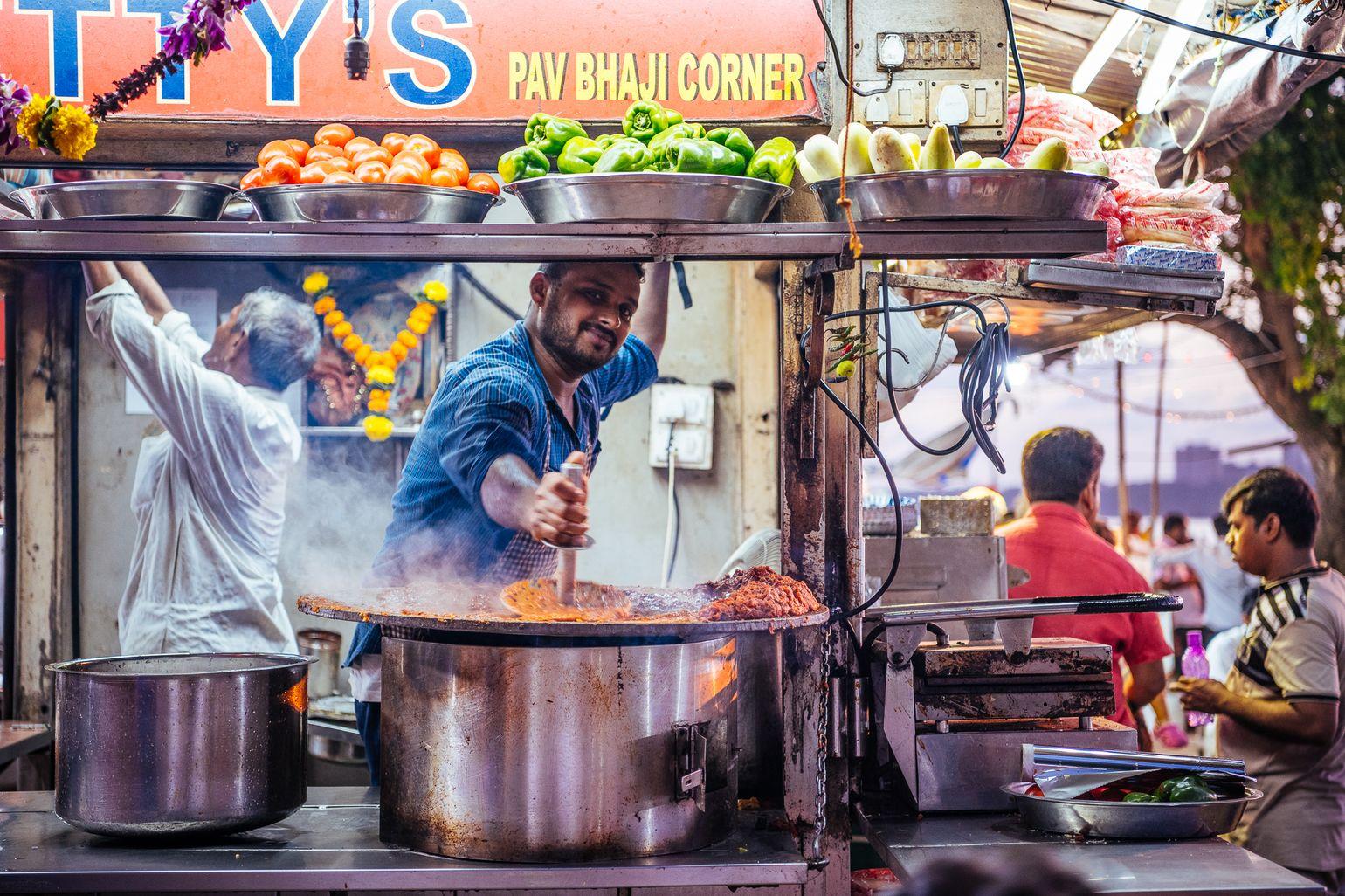
Street food is an important part of everyday food culture. From hot snacks and fried foods to fresh juices and local specialties, street stalls offer convenient and affordable meals. But before you order, it is worth taking a few seconds to look at how the food is prepared, stored and served.
Knowing how to spot unsafe street food can help you make more informed choices when eating outside. You do not need to be a food inspector. Simple observations about cleanliness, food handling, water, utensils and storage can reveal important warning signs.
How to Spot Unsafe Street Food
A busy food stall is not necessarily an unsafe one, and an attractive-looking stall is not automatically hygienic. Instead of judging a stall only by its appearance or popularity, look at the actual food-handling practices.
Here are 10 things to check before buying street food.
1. Food Is Left Uncovered
Food that is left uncovered can be exposed to dust, insects, smoke and other sources of contamination.
Pay particular attention to ready-to-eat foods that are sitting openly for long periods. These foods may not receive another cooking step before they are served.
Look for stalls where prepared food is protected or covered when it is not being served.
2. The Vendor Has Poor Hand Hygiene
The hands of a food handler can come into contact with many surfaces during the day. Handling money, touching personal items or cleaning surfaces and then immediately touching ready-to-eat food can increase the risk of contamination.
Notice whether the vendor uses appropriate utensils or serving tools when handling food.
Be cautious if you see frequent direct contact with ready-to-eat food combined with visibly dirty hands or poor hygiene practices.
3. Raw and Cooked Food Are Mixed Together
Raw ingredients and cooked food should be handled separately to reduce the risk of cross-contamination.
For example, raw meat, poultry or eggs should not come into contact with cooked food or the utensils used to serve it.
Look at cutting boards, knives, plates and other utensils. If the same items are used for raw and cooked ingredients without proper cleaning, consider choosing another stall.
4. The Cooking Area Is Very Dirty
The cooking area can tell you a lot about the overall hygiene of a food stall.
Look at the cooking surface, utensils, containers, cutting boards and surrounding area. Heavy food residue, excessive grease, accumulated waste or visibly dirty equipment should make you cautious.
A clean-looking cooking area does not guarantee food safety, but obvious poor cleanliness is an important warning sign.
5. Cooking Oil Looks Heavily Used
Many popular street foods are fried, making cooking oil an important part of food preparation.
Pay attention if frying oil appears extremely dark, produces excessive smoke, has a strange smell or contains large amounts of burnt food particles.
You cannot determine the complete safety of cooking oil simply by looking at it, but visible changes can indicate poor handling or deterioration.
If you regularly eat fried street food, observing how to spot unsafe street food is prepared can be just as important as choosing what to order.
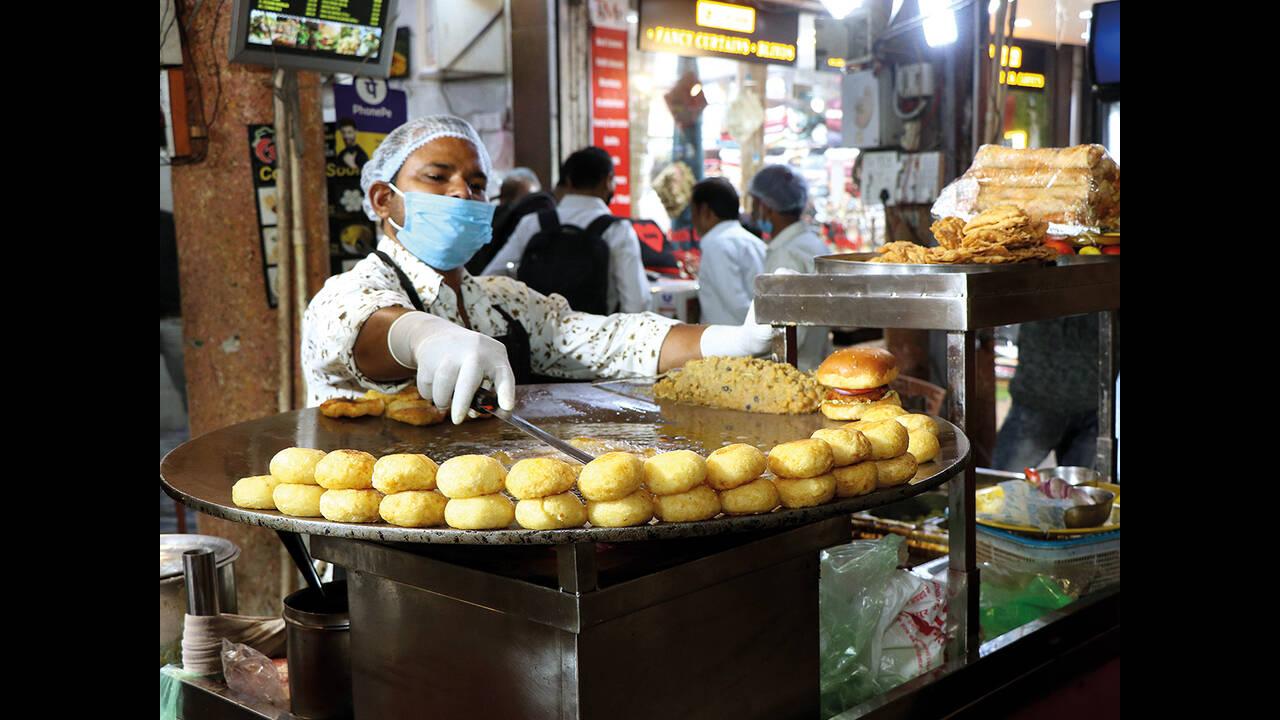
6. Food Has Been Sitting Out for Too Long
Some foods require proper temperature control to remain safe.
Be careful when cooked or perishable foods appear to have been sitting at room temperature for a long time, especially during hot weather.
You may not know exactly when the food was prepared, so asking whether an item is freshly cooked can be useful.
Freshly prepared food that is cooked thoroughly and served appropriately may be a better choice than food that has been sitting exposed for an extended period.
7. Water or Ice Looks Questionable
Water is used in many street foods and drinks. It may also come into contact with utensils, containers and ingredients.
Be cautious when water containers appear dirty, uncovered or poorly maintained.
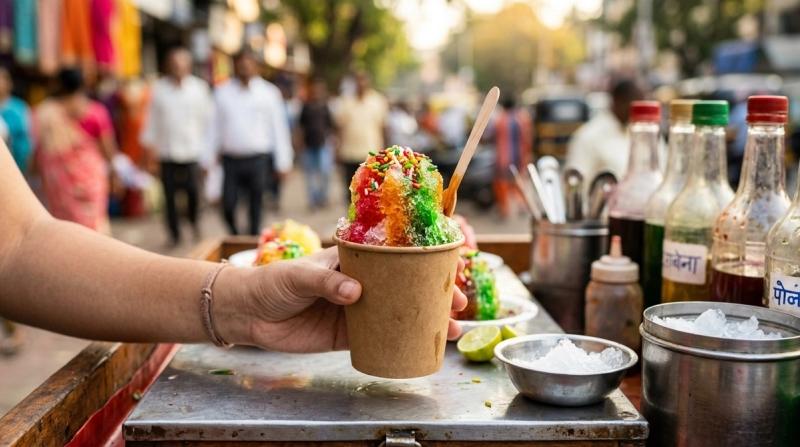
Ice also deserves attention. If ice is being handled directly with bare hands or stored in an unhygienic container, choose another drink or food option.
When you cannot be confident about the water used in a beverage, consider choosing an alternative that does not depend on questionable water or ice.
8. Utensils and Containers Are Dirty
Take a quick look at the plates, glasses, spoons, tongs and other serving equipment.
Visible food residue, grease or dirt on utensils is an obvious reason to be cautious. Also notice where clean utensils are placed. Keeping clean items directly on a dirty surface can lead to contamination.
The same applies to containers used for sauces, chutneys and other ready-to-eat ingredients.
9. Food Has an Unusual Smell or Appearance
Your senses can sometimes provide useful warning signs.
Avoid food if it has an unusual smell, unexpected discoloration, slimy texture or an appearance that suggests it has deteriorated.
However, smell and appearance are not perfect tests of food safety. Harmful microorganisms may sometimes be present without changing the food’s smell, taste or appearance.
Therefore, do not rely on one warning sign alone. Consider the food, preparation area and handling practices together.
10. The Vendor Has Poor Personal Hygiene
Personal hygiene is another important factor when choosing a street-food stall.
Look at how the vendor handles food throughout the preparation process. Repeatedly touching the face or hair, handling waste or money and then immediately touching ready-to-eat food without appropriate hygiene is a concern.
Also look for visibly dirty clothing, hands or food-contact equipment.
Good personal hygiene does not guarantee that every food item is safe, but poor hygiene should make you think twice before ordering.
How to Spot Unsafe Street Food
Learning how to spot unsafe street food does not mean you have to stop eating street food. Instead, pay attention to the conditions around the food and make practical choices.
When possible:
- Choose food that is cooked fresh.
- Prefer food that is served hot and properly cooked.
- Choose stalls where food is protected from dust and insects.
- Check whether utensils and preparation surfaces appear reasonably clean.
- Avoid food that has been sitting uncovered for a long time.
- Pay attention to how water and ice are handled.
- Look for good personal hygiene.
- Avoid stalls surrounded by excessive garbage, pests or other obvious contamination sources.
Final Takeaway
Understanding how to spot unsafe street food can help you make better choices without giving up the foods you enjoy.
Before ordering, take a moment to observe the cooking area, food storage, utensils, water, cooking oil and personal hygiene of the vendor. No single observation can guarantee that food is safe, but several warning signs together should make you cautious.
When in doubt, choose a stall with cleaner preparation areas, better food protection and good handling practices. A few seconds of observation can help you make a more informed food choice.