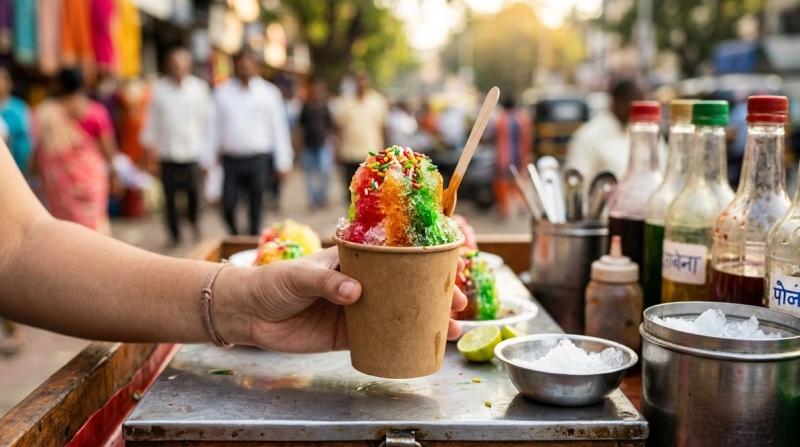
Gola ice can be a refreshing treat on a hot day, but because the main ingredient is ice that comes directly into contact with the food, its safety depends heavily on the quality of the water, the way the ice is handled, and the cleanliness of the equipment and surroundings.
The important point is that not every gola is unsafe. The concern is how the ice and other ingredients are sourced, stored, and handled.
The Biggest Concern: What Water Was Used to Make the Ice?
FSSAI’s food-safety requirements state that ice used in direct contact with food must be made from potable water and handled and stored in a way that prevents contamination.
This matters because ice may look perfectly clean while the water used to make it may not be suitable for consumption.
When buying a gola, one of the most important questions is therefore not simply “Does the ice look clean?”, but “Was the ice made from safe drinking-quality water?”
Avoid Ice From an Unknown Source
There have been food-safety enforcement and awareness actions specifically concerning ice used by street vendors.
FSSAI has reported concerns about non-edible or industrial ice being diverted for food use. Such ice may be made from non-potable water and is not intended to be consumed.
A food-safety awareness report also documented concerns about vendors using commercial preservation ice in drinks and crushed-ice products because it was inexpensive.
So if the source of the ice is unclear, choosing a different option is safer.
Check How the Ice Is Stored
Look at the ice before it is used.
Be cautious if:
- Ice is kept directly on the ground.
- The storage container is visibly dirty.
- The ice is exposed to dust or insects.
- The vendor repeatedly touches the ice with bare hands.
- The same container is used for unrelated dirty items.
- The ice is being handled with an unclean tool.
FSSAI’s hygiene requirements emphasize preventing contamination during food handling, storage, and preparation.

Look at the Surroundings
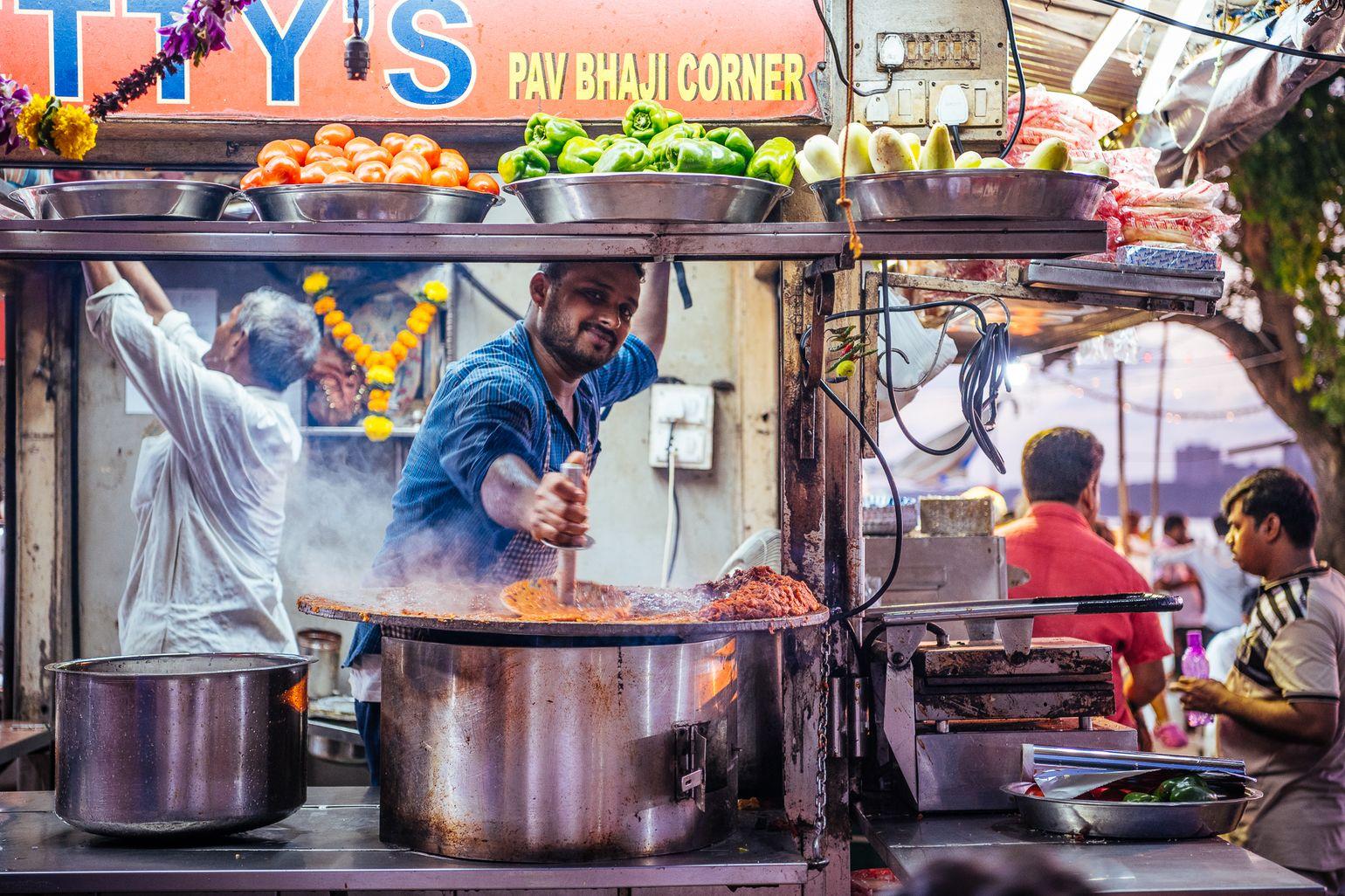
You don’t need to inspect a stall like a food inspector. A quick look can tell you a lot.
Check whether:
The preparation area is reasonably clean → the ice is covered → utensils look clean → food ingredients are protected → waste is kept away from food.
If the preparation area is surrounded by garbage, wastewater, insects, or visibly dirty equipment, it is better to avoid eating there.
Be Careful With the Syrup
The ice isn’t the only part that matters.
The flavored syrup poured over the gola is also consumed directly. Check whether the syrup containers are:
- Covered when not being used
- Clean around the opening
- Free from insects
- Handled with clean utensils
If a syrup bottle is sitting open for a long time in a dusty environment, that’s a warning sign.
What About the Stick?
If the gola is served on a wooden stick, the stick should be clean and handled hygienically.
The vendor should avoid touching the part that goes into your mouth.
This may seem like a small detail, but food safety involves the entire preparation process, not just the main ingredient.
Don’t Rely on Color Alone
A common assumption is that clear ice automatically means safe ice.
That’s not necessarily true.
You cannot determine the microbiological safety of ice simply by looking at it. FSSAI’s requirements specifically focus on the quality of the water used to make ice and preventing contamination during handling.
So clear-looking ice does not guarantee safe ice.
When Should You Avoid Gola Ice?
It is better to skip it when you notice several warning signs together:
- The ice source is unknown.
- Ice is stored uncovered or on an unclean surface.
- The preparation equipment looks dirty.
- Syrups are kept open and exposed.
- The vendor handles money and food without proper hygiene.
- The surrounding area is visibly dirty.
- The vendor appears to use ice intended for cooling or preservation rather than edible ice.
You don’t have to assume that every street vendor has unsafe food. The goal is simply to recognize avoidable risks.
A Simple Rule Before Eating
Before ordering gola ice, take 10 seconds to look around.
Ask yourself:
Is the ice protected?
Is the preparation area clean?
Are the utensils clean?
Are the syrups covered?
Does the ice come from a safe source?
If the answer to several of these questions is no, choose another food or drink.
Final Thoughts
Gola ice can be enjoyable, particularly during hot weather, but its safety depends heavily on water quality and hygienic handling.
The most important thing to remember is simple:
Ice used directly in food should come from potable water and be handled in a way that prevents contamination.
When you cannot verify the source or the preparation conditions look questionable, skipping the gola is a small decision that can help reduce unnecessary food-safety risk.