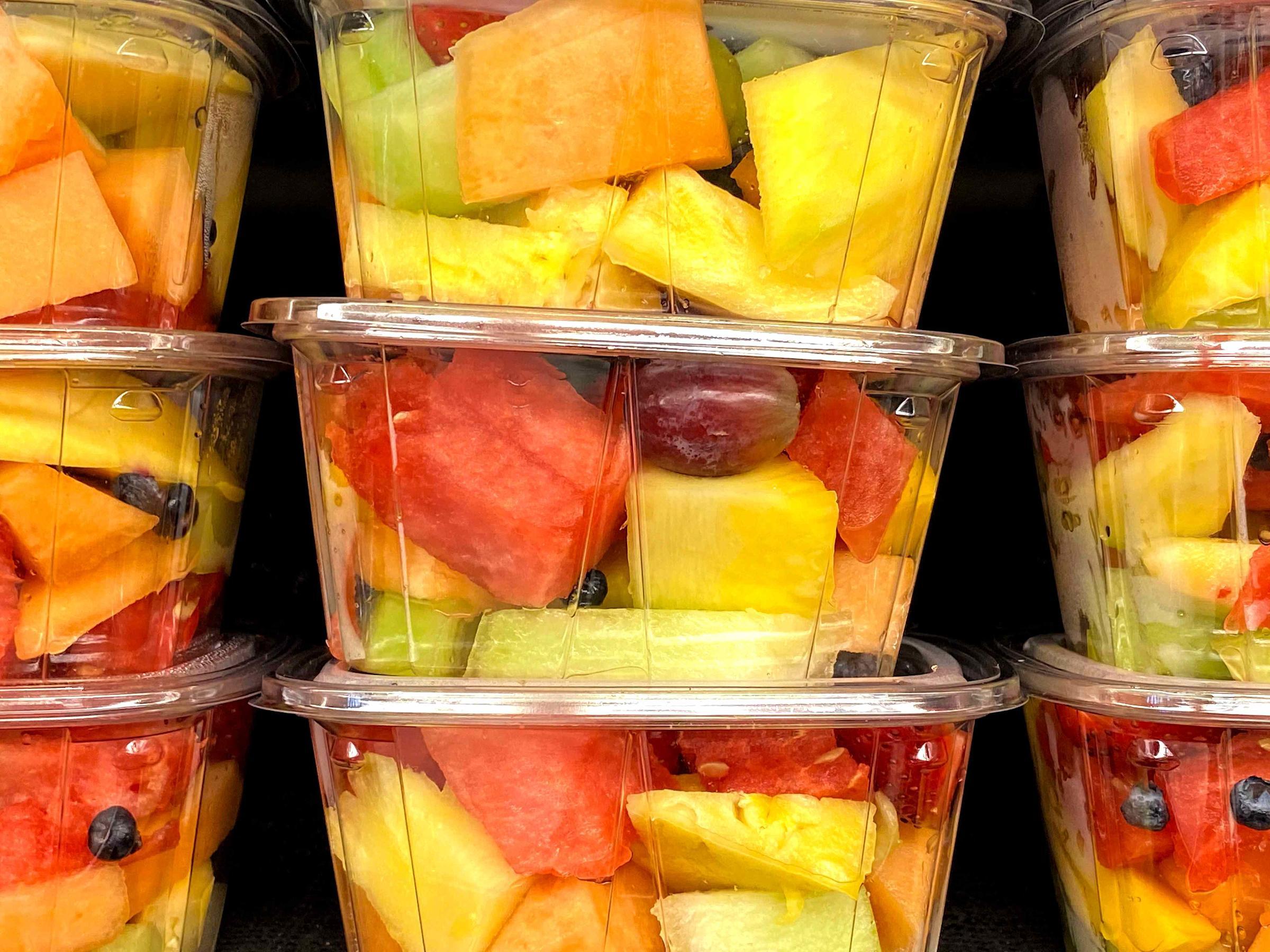
Pre-cut fruit is convenient when you want a quick snack, prepare a lunchbox or serve fruit without spending time washing, peeling and chopping it. From watermelon cubes to sliced papaya and mixed fruit cups, ready-to-eat fruit is widely available in supermarkets, restaurants and street stalls.
But is pre cut fruit safe to eat? The answer depends on how the fruit was washed, cut, handled, displayed and stored. Cutting does not automatically make fruit unsafe, but contaminated hands, utensils, water or surfaces can introduce harmful microorganisms. Proper hygiene and refrigeration are important for reducing these risks.
1. Why Can Pre-Cut Fruit Become Unsafe?
Whole fruit has a natural outer surface that provides some protection to the edible flesh. When the fruit is cut, its interior becomes exposed to hands, knives, cutting boards and the surrounding environment.
If these surfaces are contaminated, microorganisms can transfer to the fruit. Warm temperatures and prolonged storage may also allow some microorganisms to multiply.
The US Food and Drug Administration’s guide to selecting and serving produce safely explains that contamination can occur during growing, transportation, preparation and storage.
This does not mean is pre cut fruit safe to eat is dangerous. Proper washing, clean equipment, careful handling and suitable storage help reduce the risk.
2. Check Whether the Fruit Is Refrigerated
One of the first things to check when buying pre-cut fruit is how it is stored.
Fruit cups, sliced melons and other perishable cut fruit should be kept refrigerated or properly chilled. Avoid buying cut fruit that has been sitting uncovered in the sun or at room temperature for an extended period, particularly in hot weather.
FSSAI’s food-safety guidance for food businesses recommends maintaining high-risk foods, including cut fruits and vegetables, at or below 5°C during receiving and handling.
You can read the FSSAI Food Safety and Management System Guidelines for more information about temperature control and safe food storage.
For consumers, the practical lesson is simple: is pre cut fruit safe to eat choose refrigerated pre-cut fruit from a clean display and keep it cold after purchase.
3. Look for Signs of Poor Handling
Before buying a fruit cup or sliced fruit, take a moment to inspect it. Avoid products with obvious signs of spoilage or poor handling, including:
Fruit that looks rotten, mouldy or unusually discoloured.
Containers that are dirty, damaged or leaking.
Fruit exposed to dust, insects or repeated handling.
Unclean knives, cutting boards or serving utensils.
Fruit displayed beside rubbish or other possible sources of contamination.
Fresh-cut fruit naturally changes in colour and texture over time, so not every colour change means it is unsafe. However, visible mould, a fermented smell or a slimy texture can be warning signs.
Remember that harmful microorganisms may be present even when fruit looks and smells normal. Appearance alone cannot guarantee safety.
4. Wash Whole Fruit Before Cutting It
If you prepare fruit at home, wash it under clean running water before peeling or cutting it. Dirt and microorganisms on the outside can transfer to the edible flesh when a knife passes through the skin.
Use clean hands, a clean knife and a properly washed cutting board. Remove damaged or rotten portions, and avoid using the same unclean surface for raw meat and fruit that will be eaten without cooking.
The FDA’s guide to cleaning fruits and vegetables recommends washing produce under running water and avoiding soap or household detergent.
Washing can reduce surface contamination, but it does not eliminate every harmful microorganism. Start with good-quality fruit and maintain clean preparation practices throughout.
5. How Should You Store Pre-Cut Fruit at Home?
Once fruit has been cut, do not leave it sitting out unnecessarily. Place it in a clean, covered food-grade container and refrigerate it promptly.
Follow these storage practices:
Keep cut fruit refrigerated at approximately 4°C or below.
Use clean containers and utensils every time you serve it.
Keep fruit separate from raw meat, seafood and other possible sources of contamination.
Prepare smaller portions if you do not expect to eat everything at once.
Follow any storage instructions on commercially packaged fruit.
Discard fruit that has been kept under unsafe conditions or shows signs of spoilage.
FSSAI advises that freshly cut fruits and vegetables should ideally be used immediately; short-term storage should be under refrigeration in sanitised, properly covered containers. See the FSSAI Licensing and Registration Regulations.
There is no single storage duration that guarantees safety for every type of cut fruit. Preparation conditions, fruit type, temperature and packaging all matter.
6. Is Pre Cut Fruit Safe to Eat Than Street-Vendor Fruit?
Packaged fruit from a reputable seller may offer useful advantages, including a covered container, identifiable business details and storage instructions. However, packaging alone does not guarantee safety if the fruit was contaminated before packing or stored incorrectly.
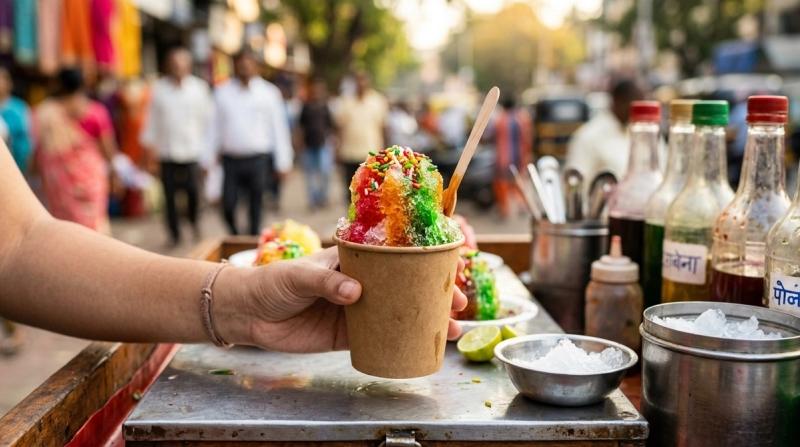
Street-vendor fruit is not automatically unsafe either. Consider whether the vendor uses clean utensils, safe water, hygienic preparation practices and appropriate refrigeration.
When buying from any source, choose fruit that is freshly prepared or properly chilled, protected from dust and insects, and handled with clean equipment.
7. Who Should Be Extra Careful?
Foodborne illness can affect anyone, but certain groups are more vulnerable to serious complications. These include young children, older adults, pregnant people and people with weakened immune systems.
For these groups, it is particularly important to choose fruit from reliable sources and avoid products with uncertain handling or storage histories.
If you are unsure whether cut fruit has been kept safely, choosing whole fruit that you can wash and cut with clean equipment at home is a practical alternative.
Final Takeaway
So, is pre cut fruit safe to eat? Yes, it can be safe when prepared hygienically, protected from contamination and kept at the right temperature. The main concerns are poor handling, unsafe water, contaminated utensils and inadequate refrigeration.
Whether you buy a packaged fruit cup, purchase freshly cut watermelon or prepare fruit at home, focus on cleanliness and temperature control. Convenient food can still be a sensible choice when it is handled properly.