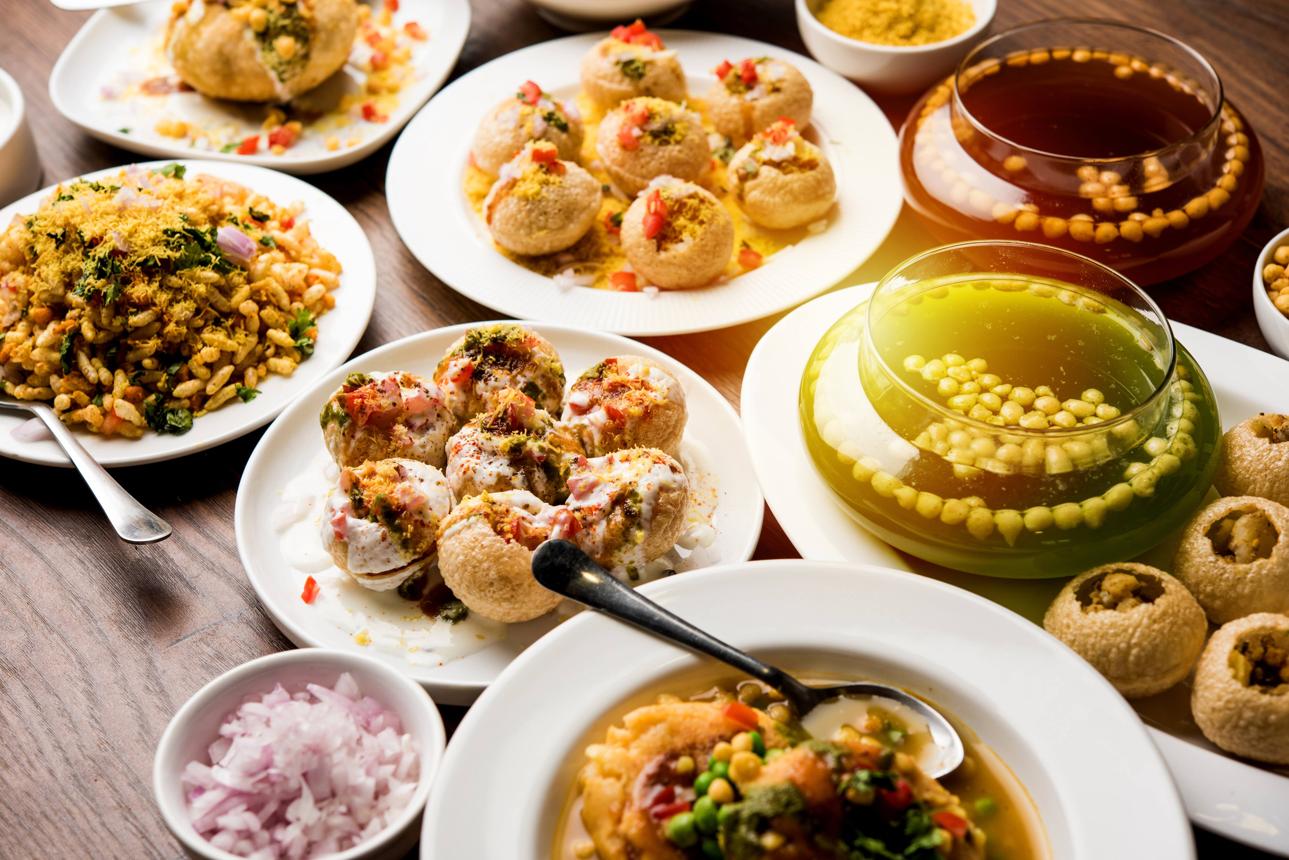
India’s street food culture is much more than quick snacks sold on busy roads. It reflects the country’s regional traditions, migration, local ingredients and changing food habits. From a spicy plate of chaat to a hot samosa or a Mumbai-style vada pav, these foods have become part of everyday life.
The story behind India’s most popular street foods is therefore closely connected to the history and culture of the places where these foods developed.
How Street Food Became Part of Indian Food Culture
For generations, Indian cities and towns have had markets, roadside stalls and small food shops serving affordable meals and snacks.
Street food became particularly useful for workers, travelers and students who needed inexpensive food outside their homes. Vendors could prepare popular local dishes in small spaces and serve them quickly.
As cities grew and people moved between different regions, food traditions also travelled. A snack that was once strongly associated with one city or region could gradually become familiar throughout the country.
This movement of people and food helped create India’s diverse street-food culture.
The Story Behind the Samosa
The samosa is now one of India’s best-known snacks, but its history extends beyond the Indian subcontinent.
Food historians commonly connect the early forms of samosa to Central Asia and the Middle East, where similar stuffed pastries were prepared before the dish became established in South Asia.
In India, the snack adapted to local tastes. The familiar potato-filled version, often combined with peas and spices, became particularly popular.
Today, samosas can be found almost everywhere, from roadside stalls and tea shops to restaurants and homes. Their portability, crisp exterior and flavorful filling helped make them a natural street-food favorite.
The Story Behind Pani Puri
Pani puri is another example of how Indian street food can have different regional identities.
Depending on where you are in India, you may hear names such as pani puri, golgappa or puchka. The basic idea remains similar: a crisp hollow puri is filled with ingredients such as potato or chickpeas and served with flavored water.
The exact history of pani puri is difficult to establish with certainty, and different regions have their own traditions and variations.
Its popularity, however, is easy to understand. It combines crisp texture, spicy flavors, tanginess and fresh ingredients in a small serving, making it a popular snack for people of different ages.
How Vada Pav Became a Mumbai Favorite
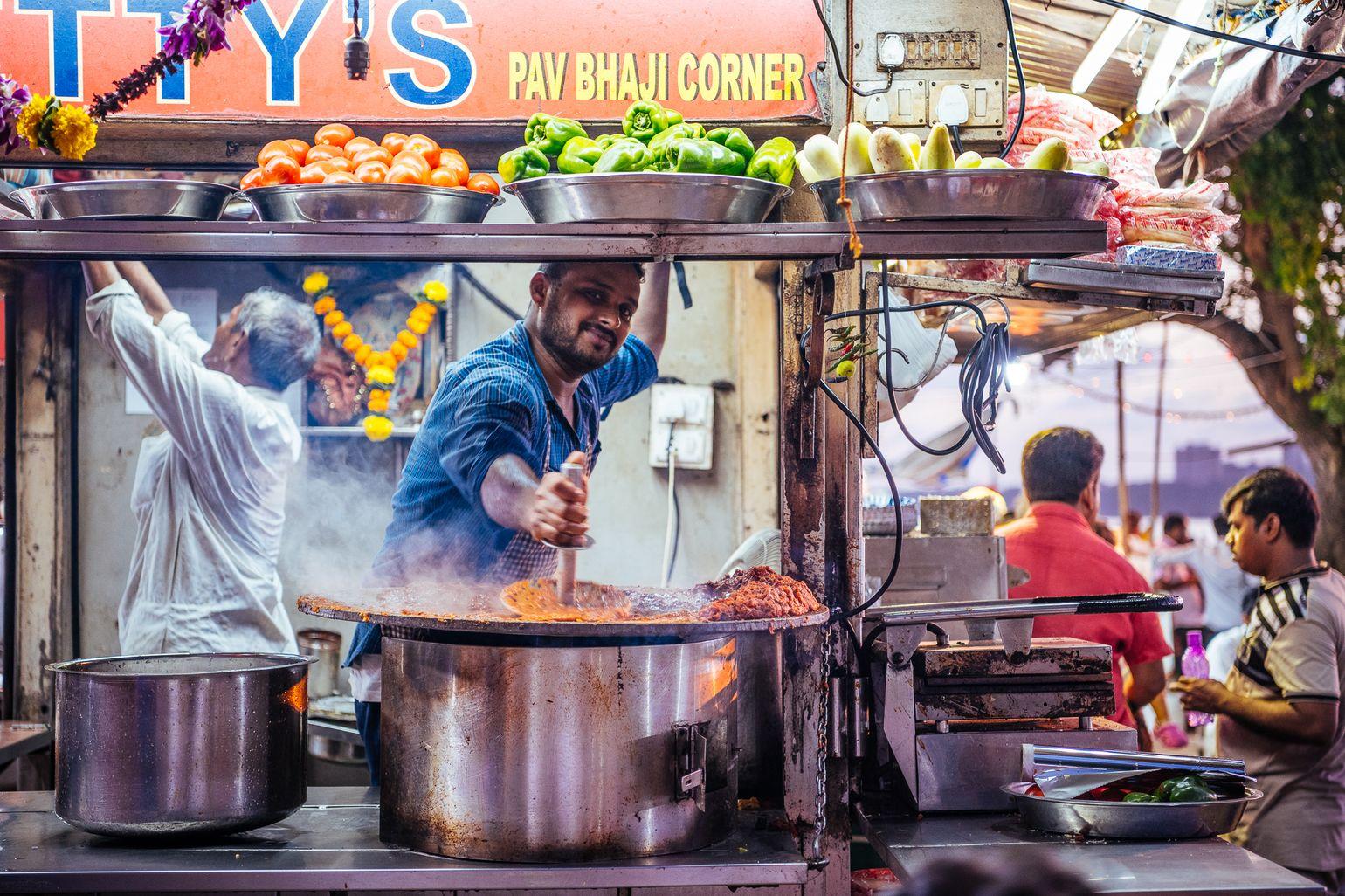
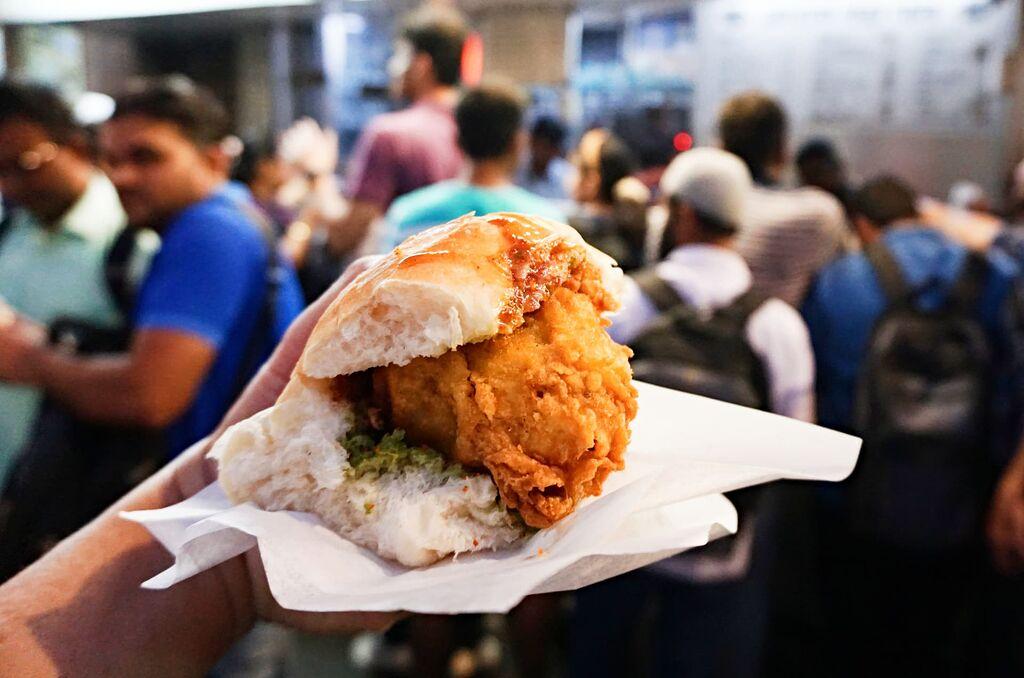
Vada pav has a particularly strong connection with Mumbai’s working-class food culture.
The snack consists of a spiced potato fritter placed inside a pav, usually accompanied by chutneys and other spicy ingredients.
Its affordability and convenience made it well suited to the fast-paced life of Mumbai. Workers and commuters could eat it quickly without spending much money.
Over time, vada pav moved beyond its original urban setting and became recognized across India as one of the country’s most famous street foods.
Chole Bhature and the Growth of North Indian Street Food
Chole bhature is another popular combination that demonstrates the influence of North Indian food traditions.
Spicy chickpeas are served with bhature, a deep-fried bread made from refined flour. The combination is filling, flavorful and particularly popular as a breakfast or lunch.
Its popularity grew through restaurants, roadside eateries and food markets. As North Indian cuisine spread to other parts of the country, dishes such as chole bhature became familiar to people far beyond their original regional context.
Dhokla and Regional Street Food
Dhokla shows that Indian street food is not limited to fried snacks.
Associated strongly with Gujarat, dhokla is a steamed savory food made using fermented or prepared batter, depending on the variety. Its soft texture and distinctive flavor have helped it become popular outside Gujarat as well.
It is often served with chutneys and garnished with ingredients such as mustard seeds, coriander or grated coconut.
Regional foods like dhokla demonstrate how Indian street food can travel while still retaining its local identity.
Story Behind India’s Most Popular Street Foods
The story behind India’s most popular street foods is also a story about adaptation.
Many Indian snacks have changed as they moved from one region to another. Ingredients, fillings, spices, serving methods and even names can vary from city to city.
This flexibility has helped street foods survive changing food preferences while maintaining their traditional character.
A snack may begin as a local specialty but eventually become part of a much larger national food culture.
Why Indian Street Food Remains Popular
There are several reasons street food continues to attract people.
First, it is generally convenient and affordable. A person can enjoy a snack without sitting down for a full restaurant meal.
Second, street food offers strong regional flavors. Different parts of India have their own ingredients, spices and cooking traditions.
Finally, street food is social. People often enjoy these foods while shopping, traveling, meeting friends or exploring a new city.
This combination of affordability, variety and cultural identity has helped Indian street food remain popular across generations.
The Story Behind India’s Most Popular Street Foods Today
Today, Indian street food continues to evolve. Traditional snacks are being served in new settings, while modern cooks experiment with ingredients and presentation.
At the same time, classic foods such as samosa, pani puri, vada pav and chole bhature remain firmly connected to their regional roots.
The story behind India’s most popular street foods is ultimately not about one single dish. It is about how food moves between communities, adapts to local tastes and becomes part of everyday life.
Final Takeaway
The story behind India’s most popular street foods reveals how closely food is connected to India’s history, cities and communities.
From the long journey of the samosa to the rise of vada pav in Mumbai and the regional variations of pani puri, each food has its own story.
What makes Indian street food special is this combination of history and change. Traditional recipes continue to evolve, but their connection to local culture remains.
That is why India’s street foods are not simply quick snacks—they are an important part of the country’s food heritage.