Cooking oil can change after repeated heating and frying. While reusing oil may seem like a simple way to reduce food waste, repeatedly heated oil can deteriorate over time.
So, how to know when cooking oil should be discarded?
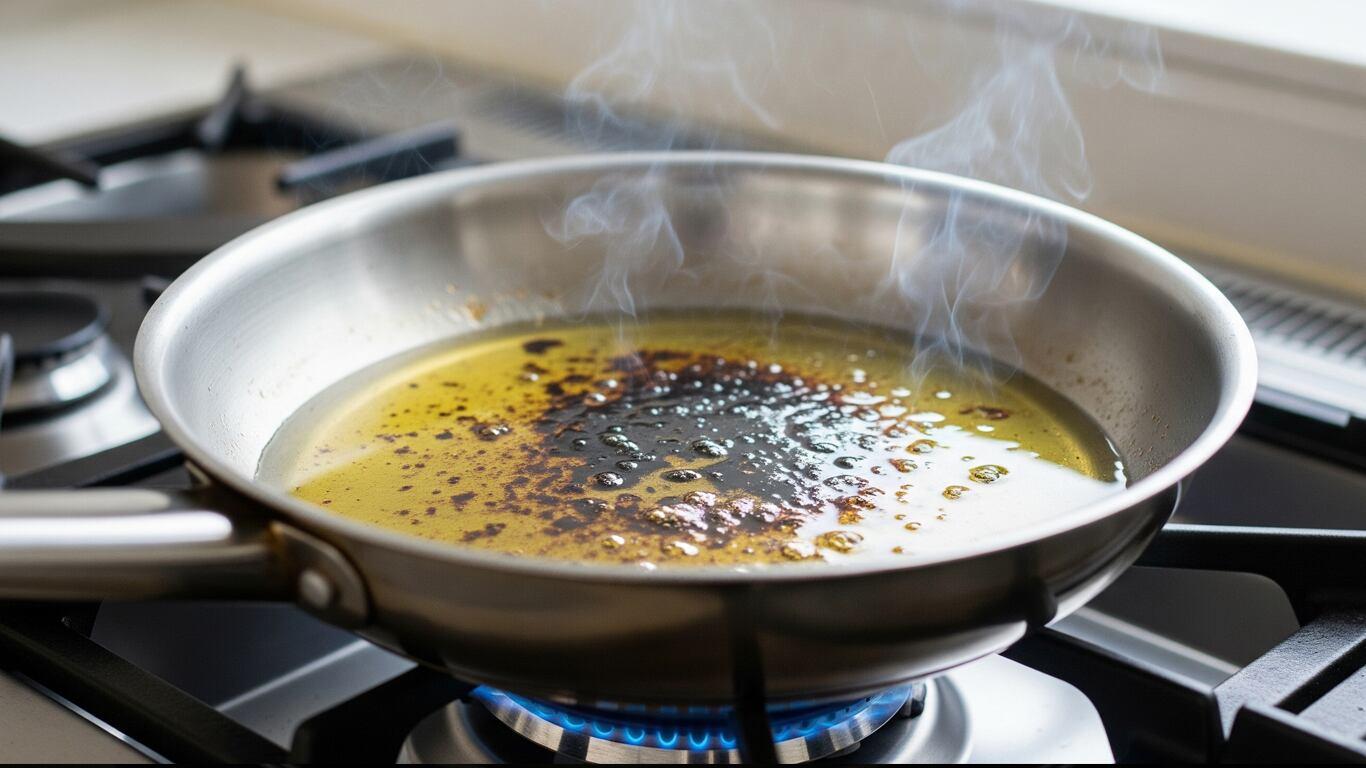
Dark or murky oil, blue-grey smoke, tough foam, an unpleasant smell and changes in consistency can all indicate that cooking oil has deteriorated. FSSAI specifically recommends discarding used cooking oil when these visible signs appear.
How to Know When Cooking Oil Should Be Discarded
There is no single number of times that automatically makes every batch of cooking oil unsafe. The condition of the oil depends on factors such as how hot it was heated, how long it was heated, what food was cooked in it and how often it was reused.
For everyday cooking, knowing the visible and practical warning signs can help you decide when to stop using old frying oil.
1. The Oil Becomes Dark and Murky
One of the easiest changes to notice is a significant change in the appearance of the oil.
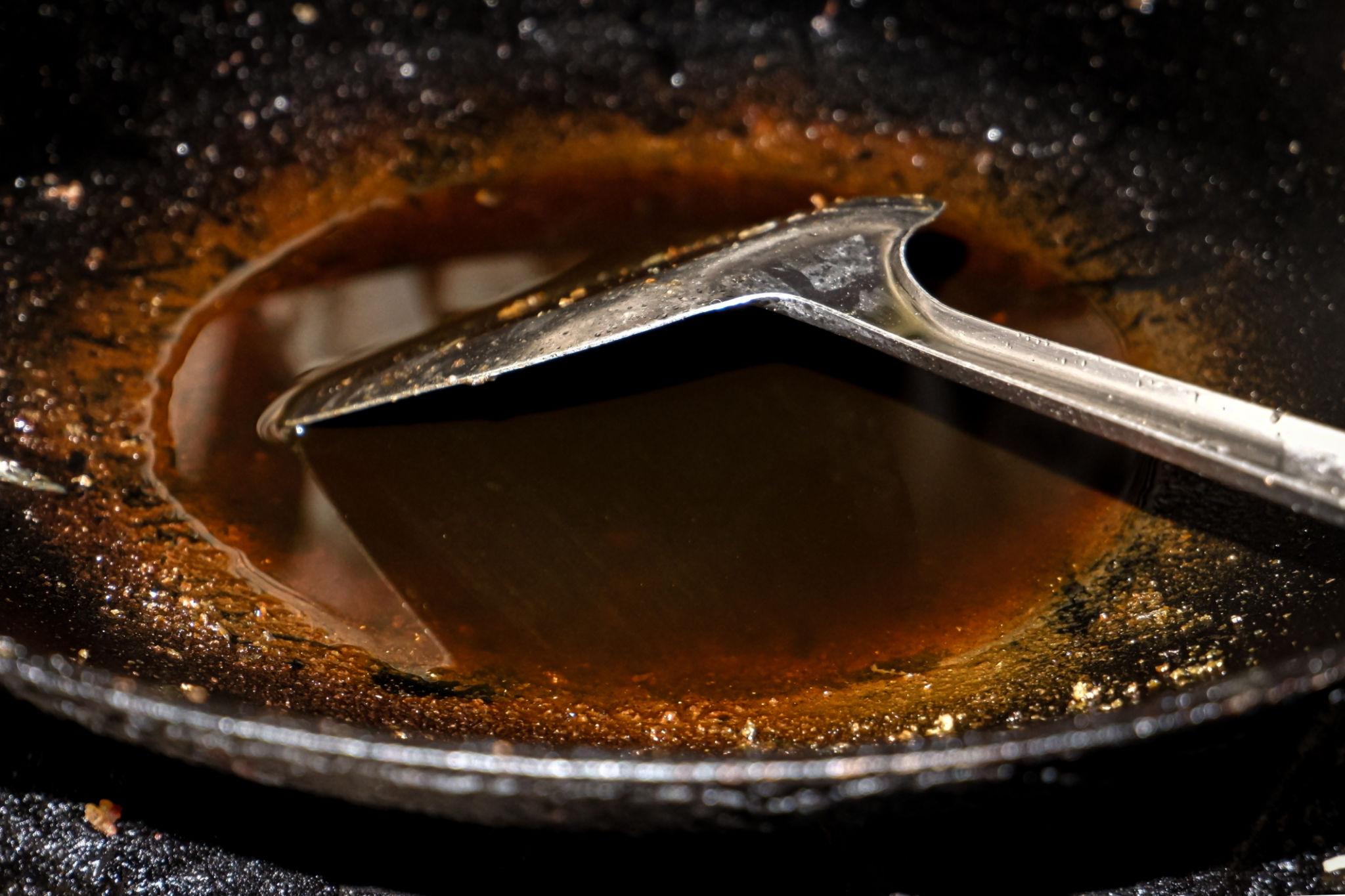
Fresh cooking oil generally has a relatively clear appearance. Repeated frying can cause the oil to become darker and murky, particularly when food particles are repeatedly heated in the same oil.
FSSAI lists dark and murky oil as one of the indications that used cooking oil has deteriorated.
However, colour alone cannot tell you the exact chemical condition of the oil. It should be considered along with other warning signs.
2. The Oil Starts Producing Blue-Grey Smoke
Smoke is another important warning sign.
If cooking oil starts producing blue-grey smoke during heating, even before you are cooking at unusually high temperatures, it may indicate that the oil has deteriorated.
FSSAI specifically recommends disposing of used cooking oil when blue-grey smoke appears.
Do not continue increasing the heat simply because the oil is taking longer to cook food.
3. Tough Foam Appears on the Surface
Some bubbling is normal when frying because food contains moisture.
However, tough or persistent foam is different from normal frying bubbles.
If unusual foam continues to form on the surface of the oil, it can be a sign that the oil has deteriorated. FSSAI lists tough foam as one of the indicators for discarding used cooking oil.
4. The Oil Develops an Unpleasant Smell
Smell can also provide a useful warning.
If oil develops a strong, stale, rancid or otherwise unpleasant smell, it is better not to continue using it.
An unusual smell can become particularly noticeable when the oil is heated.
Remember that smell alone is not a laboratory test, but when an unpleasant smell appears together with dark colour, smoke or foam, it is a strong reason to replace the oil.
5. The Consistency Changes
Repeated heating can affect the physical properties of cooking oil.
If the oil appears noticeably thicker or its consistency seems different from when it was fresh, pay attention to the change.
FSSAI lists a change in the consistency of oil among the signs that indicate deterioration.
If you notice this along with other warning signs, avoid using the oil again.
6. Food Particles Keep Burning in the Oil
Small pieces of food can remain in frying oil after cooking.
When these particles are repeatedly heated, they can burn and contribute to changes in the oil’s appearance and quality.
For this reason, FSSAI recommends filtering cooking oil frequently to remove food particles.
Filtering can remove leftover particles, but it does not make heavily deteriorated oil fresh again.
How Many Times Can Cooking Oil Be Reused?
The number of times oil can be reused is not the only factor to consider.
FSSAI guidance for small food businesses states that how to know when cooking oil should be discarded. So guidance say you should not be used more than three times and that using it only once is ideal. It also recommends avoiding repeated use whenever possible.
For home cooking, the condition of the oil is more useful than simply counting the number of frying sessions.
If the oil already shows signs of deterioration, do not continue using it simply because you have used it fewer than three times.
When Should You Stop Reusing Cooking Oil?
A simple way to decide how to know when cooking oil should be discarded is to check several signs together.
Discard the oil if you notice:
- Blue-grey smoke
- Tough or persistent foam
- Very dark or murky appearance
- Unpleasant or rancid smell
- Noticeable change in consistency
- Excessive burnt food particles
- Other obvious signs of deterioration
These signs are particularly important when several appear at the same time.
Should You Pour Used Cooking Oil Down the Sink?
No.
The question for how to know when cooking oil should be discarded states that used cooking oil should not be poured into drains or sewerage systems. FSSAI specifically advises against disposing of used cooking oil through drains because it can cause blockages and other problems.
Allow the oil to cool and follow your local waste-disposal or used-oil collection options where available.
FSSAI’s RUCO initiative promotes collecting used cooking oil so that it can be diverted from the food chain and used for purposes such as biodiesel production.
A Quick Cooking Oil Safety Checklist
Before using leftover frying oil, ask:
Does the oil look normal?
Check whether it has become unusually dark or murky.
Does it smell normal?
Avoid oil with a strong rancid or unpleasant smell.
Does it smoke unusually quickly?
Blue-grey smoke is a warning sign.
Is there tough foam?
Persistent or tough foam can indicate deterioration.
Has the consistency changed?
Noticeable changes should not be ignored.
Has the oil already been reheated several times?
Repeated heating increases the formation of Total Polar Compounds.
Final Takeaway
Knowing how to know when cooking oil should be discarded can help you make safer decisions when reusing frying oil at home.
Do not rely only on the number of times oil has been used. Check its colour, smell, smoke, foam and consistency. If the oil has become dark and murky, produces blue-grey smoke, develops tough foam or shows other clear signs of deterioration, it is better to discard it.
FSSAI also recommends avoiding repeated use of cooking oil whenever possible.
When in doubt, replacing visibly deteriorated cooking oil is a better choice than continuing to use it.